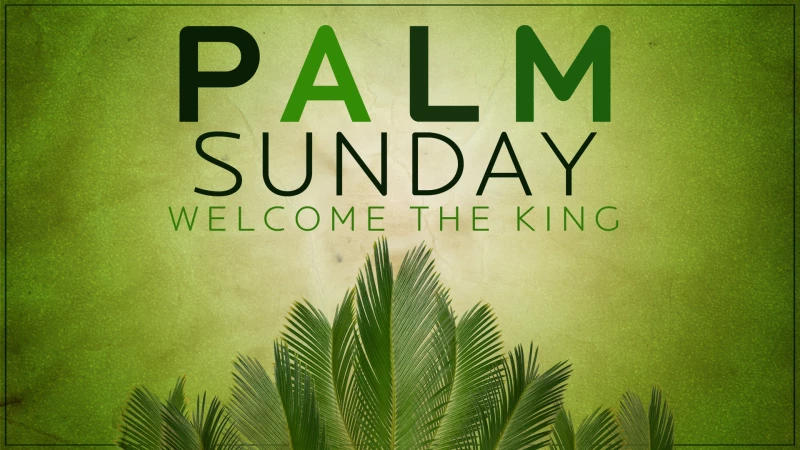
Step into a journey of faith and reflection this Palm/Passion Sunday, March 24, 2024, as we gather for a special combined service at 10:00 am, led by Pastor Bruce Johnson. Experience the pivotal moments of Jesus Christ’s journey, from His triumphant entry into Jerusalem to the profound depths of His passion, through the powerful narratives of Mark 11:1-11, Isaiah 50:4-9a, and Philippians 2:5-11, culminating in the stirring Proclamation of the Passion from Mark 15:1-39.
This service is more than a traditional sermon; it’s an invitation to discipleship, offering each of us a chance to delve deeper into our faith and understand the true essence of following Christ. We’ll journey together through the scriptures, immersing ourselves in the story that stands at the heart of our faith, engaging with the events that have shaped our spiritual foundation.
Prepare your heart and soul for a profound experience, filled with moments of reflection, devotion, and a call to walk the path of discipleship. Whether you’re with us in person or joining from afar, this service promises to be a deeply moving and transformative experience, setting the tone for Holy Week.
Don’t miss this unique and meaningful observance of Palm/Passion Sunday. Join us in commemorating the journey, the sacrifice, and the undying love of Jesus Christ.
Read the Bulletin for more information.
All of Pender’s services are streamed live and in person.
Join us live at Pender UMC
12401 Alder Woods Drive, Fairfax, VA US 22033
Do you need Closed Captioning/Subtitles?
You do not need to be a Facebook member to watch the Combined Service here.
Sunday Palm/Passion Sunday. One combined service at 10:00 am March 24, 2024
This is the day that the Lord has made. For us. Because of us. It could be argued that out of all these high and holy days, this one is the most … human. “Well, of course,” you might think. This week is a divine and human encounter; in fact, we might argue it is THE divine and human encounter. This is true; but hear me out. This day, this slash day, this Palm/Passion Day is the most human day of this whole event.
John Wesley supposedly said as his last words, “God is with us.” Amen. Yet there are times and seasons that seem even more holy. There are moments that reverberate with the living presence of the living God, and our only proper response is to fall to our knees in awe of grace. These eight days are one of those times. Some argue they are the preeminent days when history, our history, and our understanding of self and God and life itself all changed. From Palm Sunday through Easter, the world is remade, a new creation, and we are blessed to be a part of it, blessed to receive a gift beyond words, which is nothing less than eternity itself.
We look forward to seeing you!
All of Pender’s services are streamed live and in person. Masks are currently optional.
Join us live at Pender UMC
12401 Alder Woods Drive, Fairfax, VA US 22033
The days leading up to Easter often have an understandably somber feel to them, particularly as we contemplate Jesus’ arrest, trial, and execution. It’s easy to forget that the week begins with a joyful event: the Triumphal Entry!
Sunday, March 24, 2024, is Palm Sunday, the first day of Holy Week. On Palm Sunday, we commemorate Jesus’ celebrated entry into Jerusalem just a few days before his arrest, trial, and crucifixion.
The “palm” in Palm Sunday refers to the palm branches waved by the adoring Jerusalem crowds who welcomed Jesus and proclaimed him King. The event is commonly referred to as the Triumphal Entry. Here’s the account from Matthew 21:1-11:
As they approached Jerusalem and came to Bethphage on the Mount of Olives, Jesus sent two disciples, saying to them, “Go to the village ahead of you, and at once you will find a donkey tied there, with her colt by her. Untie them and bring them to me. If anyone says anything to you, say that the Lord needs them, and he will send them right away.”
This took place to fulfill what was spoken through the prophet:
“Say to Daughter Zion,
‘See, your king comes to you,
gentle and riding on a donkey,
and on a colt, the foal of a donkey.’”
The disciples went and did as Jesus had instructed them. They brought the donkey and the colt and placed their cloaks on them for Jesus to sit on. A very large crowd spread their cloaks on the road, while others cut branches from the trees and spread them on the road. The crowds that went ahead of him and those that followed shouted,
“Hosanna to the Son of David!”
“Blessed is he who comes in the name of the Lord!”
“Hosanna in the highest heaven!”
When Jesus entered Jerusalem, the whole city was stirred and asked, “Who is this?”
The crowds answered, “This is Jesus, the prophet from Nazareth in Galilee.”





 News and Views